
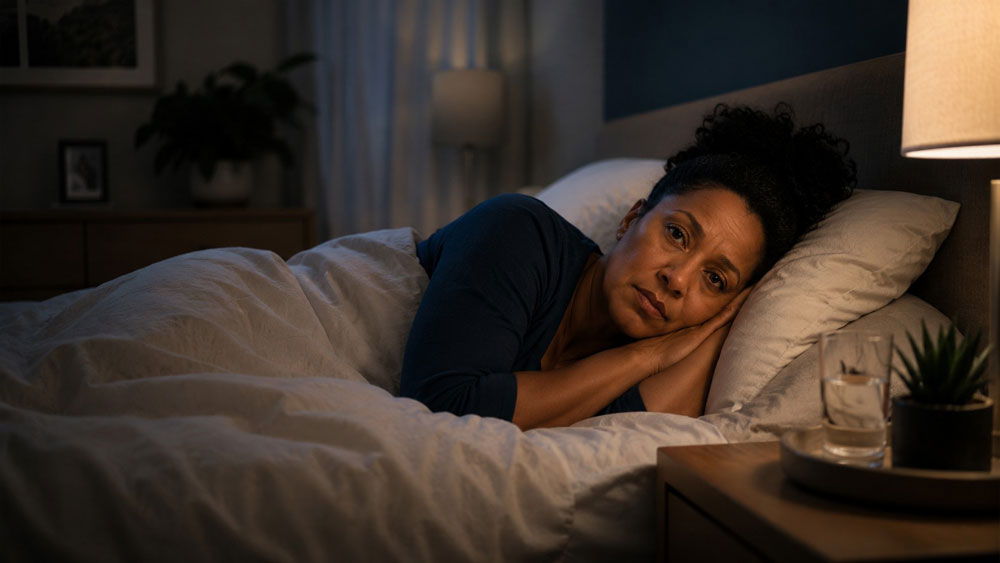
No snoring, so no sleep apnea, right? That single assumption keeps a lot of people from getting help for years. Can you have sleep apnea without snoring? Yes, and it is more common than most people think. Snoring is only one possible sign of a sleep-related breathing disorder, and plenty of people, especially women, have it without ever making a sound. If you wake up tired no matter how long you slept, get morning headaches, or feel foggy through the day, the cause could be hiding in your sleep, silently.
QUICK ANSWER
Yes, you can have sleep apnea without snoring. Silent sleep apnea is common, especially in women and people with central sleep apnea, where the brain fails to send proper breathing signals rather than a physical airway blockage. Fatigue, morning headaches, dry mouth, and difficulty concentrating are signs worth investigating even without loud snoring.
Why some sleep apnea is silent
There are two main types, and only one of them tends to snore.
Obstructive sleep apnea happens when the airway physically collapses or narrows during sleep. Air squeezing through that narrowed space is what produces the classic snore. But not everyone with obstruction snores loudly; some have quieter breathing interruptions that a bed partner never notices.
Central sleep apnea is different. Here the airway is open, but the brain briefly stops sending the signal to breathe. There is no blockage to vibrate, so there is often no snoring at all. The breathing simply pauses.
In both cases, the damaging part is the same: your breathing repeatedly stops and starts, your oxygen dips, and your brain nudges you out of deep sleep over and over without fully waking you. You do not remember it. You just wake up feeling like you never rested.
7 silent signs of sleep apnea
If snoring is not on this list for you, these are the signs worth taking seriously:
- Morning headaches from overnight oxygen dips.
- Waking with a dry mouth or sore throat, a clue you were mouth-breathing to compensate.
- Daytime fatigue that a full night in bed does not fix.
- Brain fog and trouble concentrating, because your brain never reached restorative sleep.
- Waking to urinate more than once, which disrupted breathing can drive.
- Mood changes or irritability that seem to track with poor sleep.
- Waking abruptly, gasping, or with a racing heart, even briefly.
One or two of these can have other explanations. Several together, night after night, are a pattern that deserves a real answer rather than another cup of coffee.
Why women are so often missed
Women are diagnosed with sleep-related breathing disorders far less often than men, and a big reason is exactly this: they tend to present without loud snoring. Their symptoms, fatigue, insomnia, headaches, low mood, get coded as stress, anxiety, or just being busy, and the sleep cause is never investigated.
Picture a woman in her forties who is exhausted, foggy, and waking with headaches. She does not snore, so apnea never comes up, and she is told she is run down or anxious. She could go years cycling through explanations that do not fix the problem, because the one question nobody asked was about her breathing during sleep.
How your jaw and airway are connected
This is where jaw anatomy matters more than people realize. The size and position of your lower jaw help determine how much room your airway has when the muscles relax during sleep. A smaller or set-back jaw, or a bite that positions the jaw backward, leaves less space for air, which can contribute to obstruction, sometimes quietly.
That overlap is why jaw and airway problems often travel together. People with nighttime clenching or jaw tension can also have disrupted breathing, and addressing the jaw and airway together frequently works better than treating either in isolation. A practice that evaluates both is looking at the whole picture rather than one slice of it.
How a sleep study works, and when to ask for one
A sleep study is how a sleep-related breathing disorder is actually confirmed. Many are now done at home with a small device you wear overnight that tracks breathing, oxygen, and heart rate; others are done in a lab for a fuller picture. A physician reviews the results and makes the diagnosis.
Ask about a study if several of the silent signs above describe you, particularly unrefreshing sleep plus morning headaches or waking gasping. From there, treatment depends on the type and severity. For many people with obstruction, a custom oral appliance that gently holds the jaw and airway open during sleep is a comfortable, well-tolerated option, and it is precisely where a dental practice trained in airway and jaw anatomy fits in.
The takeaway
The absence of snoring does not rule out sleep apnea; in a lot of cases it is why the condition hides for years. If you are constantly tired, foggy, or waking with headaches despite spending enough time in bed, your breathing during sleep is worth investigating, snoring or not. Schedule an evaluation with Argyle Dental Sleep and TMJ to look at your jaw, airway, and symptoms together, and take the first step toward sleep that actually restores you.
Frequently Asked Questions
Is sleep apnea dangerous?
Untreated, it can be. Repeated drops in oxygen and fragmented sleep are linked over time to high blood pressure, heart problems, and daytime accidents from severe fatigue. That is why silent cases matter just as much as loud ones, and why getting evaluated is worth it.
Does sleep apnea cause weight gain?
The relationship runs both ways. Excess weight can worsen airway obstruction, and the poor sleep and hormonal disruption from untreated apnea can make weight harder to manage, creating a loop that treatment can help break.