When someone is handed a sleep apnea diagnosis, the first question is almost never about machines or masks. It is simpler and more human: will this ever go away? After nights of broken sleep and mornings that feel like punishment, people want to know if there is a finish line.
Here is the honest answer up front. Some of it can be cured. A lot of it is managed so well that you forget you have it. Sleep apnea is the best known of the sleep-related breathing disorders, and which outcome applies to you comes down to which type you have and what is driving it. This guide explains which cases resolve, which are managed, why the jaw matters more than most people realize, and the treatment options Utah patients actually have beyond a CPAP machine.
Can sleep apnea be cured? Sleep apnea can sometimes be cured, depending on the cause. Mild cases linked to weight, nasal congestion, or sleeping position often resolve with lifestyle changes. Structural causes, such as a narrow airway or jaw position, may require oral appliance therapy, surgery, or long-term CPAP use. A qualified sleep provider can determine which path applies to your case.
“Cured” versus “managed”: the distinction that matters
The word “cured” implies the condition is gone for good with no ongoing treatment. The word “managed” means the symptoms and health risks are controlled while you keep using a treatment that works. For a sleep-related breathing disorder, both outcomes are genuine wins, but they apply to different people.
Chasing a cure that your particular case cannot deliver is how people end up doing nothing, lying awake telling themselves they will “fix it naturally” while the untreated apnea quietly raises their blood pressure and wrecks their days. The smarter goal is the best achievable outcome for your cause, whether that is a true resolution or reliable, comfortable control.
Causes that can be reversed
Some milder cases are tied to factors you can change, and addressing them can dramatically reduce or even resolve the disorder:
- Excess weight. Fatty tissue around the neck and throat can narrow the airway. Meaningful weight loss reduces apnea severity for many people and resolves it for some.
- Sleeping position. For “positional” apnea, the airway collapses mainly when sleeping on the back. Side-sleeping or positional aids can make a real difference.
- Nasal congestion and allergies. Chronic stuffiness forces mouth breathing and worsens obstruction; treating it can ease mild cases.
- Alcohol and sedatives before bed, which relax the airway muscles and worsen collapse.
If your apnea is mild and tracks with these factors, lifestyle change is a reasonable first front, ideally guided by a clinician rather than guesswork.
Causes that are structural (and usually managed)
For many people, the airway narrows because of anatomy, not habits. A naturally small or recessed jaw, a large tongue, enlarged tonsils, or the way the jaw sits at night can all crowd the airway. These structural causes are not something you can diet or sleep your way out of, which is why they are managed with treatment rather than cured by lifestyle alone.
This is also where genetics enters. Sleep-related breathing disorders do tend to run in families, because the anatomy that predisposes you to them (jaw shape, airway size, even a tendency toward weight gain) is partly inherited. Having a family history does not doom you to a machine forever, but it does mean the cause is more likely structural, which shapes the treatment.
How the jaw and TMJ disorder fit in
This is where a dental sleep medicine practice sees things a general approach can miss. The position of your lower jaw directly affects how open your airway stays during sleep. When the jaw drops back, the tongue follows, and the airway narrows. That is why jaw position is central to one of the most effective non-CPAP treatments.
It also explains a connection many patients are surprised by. Nighttime teeth grinding can be the body’s response to those breathing interruptions, which is why grinding and disrupted breathing so often appear together. If you grind, snore, and wake up tired, those are not three separate problems; they may be one.
Treatment options beyond CPAP
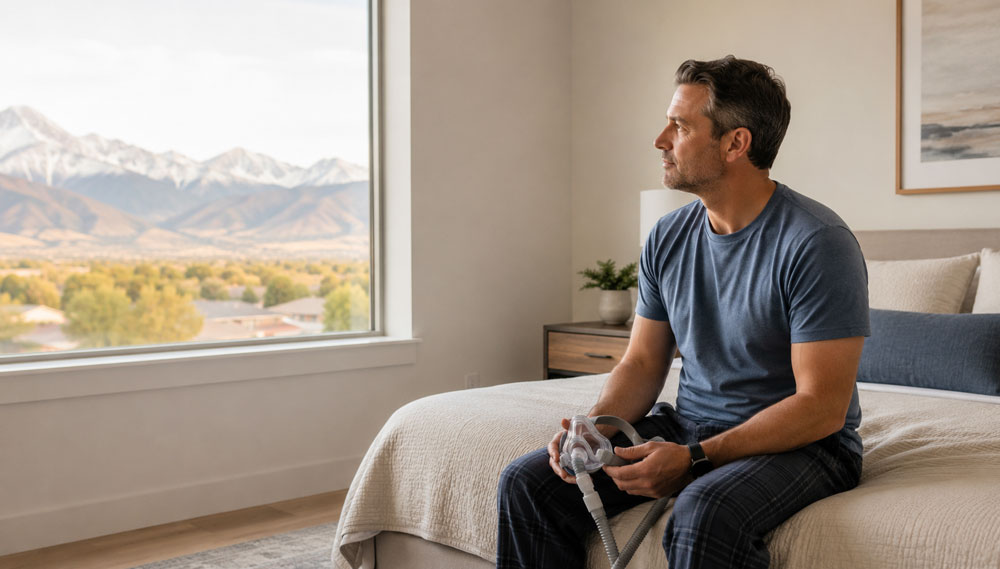
CPAP is highly effective and remains the gold standard for moderate to severe apnea, but it is not the only path, and “I can’t tolerate the mask” is not the end of the road. The main options:
- CPAP, which keeps the airway open with gentle air pressure. Effective when used consistently, though some people struggle with the mask.
- Oral appliance therapy, a custom device worn like a retainer that holds the lower jaw slightly forward to keep the airway open. It is a well-established CPAP alternative for mild to moderate apnea and for people who cannot tolerate a machine, and it is a core focus of jaw-and-airway practices.
- Positional therapy and weight management, for cases driven by those factors.
- Surgery, reserved for specific anatomical causes when other treatments are not enough.
The right choice depends entirely on your severity and cause, which is exactly why self-treatment falls short.
Does sleep apnea cause weight gain?
It can contribute. Poor sleep disrupts the hormones that regulate appetite and metabolism, which can make weight harder to control, and excess weight in turn worsens apnea. It becomes a loop, and breaking it usually requires treating the apnea and the weight together rather than waiting for one to fix the other.
Why a proper diagnosis is the only reliable starting point
You cannot treat what you have not measured. The severity of apnea, and which of the causes above applies to you, is determined by a sleep evaluation, often including a sleep study. Guessing from symptoms alone leads people to the wrong treatment, or to no treatment at all. A dentist who understands both the airway and the jaw can identify your cause and match you to the least invasive option that actually works, whether that is a lifestyle plan, an oral appliance, or CPAP.
The takeaway
So, can sleep apnea be cured? Sometimes, when the cause is reversible. More often it is managed so effectively that the snoring stops, the energy returns, and the long-term health risks come down, which is the outcome that actually changes your life. The first step is not picking a treatment off the internet. It is finding out what is driving yours.
If you are tired of being tired, or someone keeps telling you that you snore and gasp at night, schedule a sleep consultation and get a clear diagnosis and a treatment plan built for your cause, including CPAP alternatives if a machine is not for you.
Frequently Asked Questions
Is sleep apnea genetic?
Often, in part. The anatomy that predisposes you to a narrow airway, including jaw and facial structure, can be inherited, which is why apnea runs in families. Lifestyle and weight also play a role.
Does sleep apnea go away on its own?
Mild, reversible cases can improve with weight loss, position changes, or treating congestion. Structural causes generally do not resolve on their own and need treatment to control safely.