
For mild, recent-onset TMJ disorder symptoms, sometimes the best first step is simply to give the joint a chance to settle before doing anything more involved. A watch-and-wait approach means monitoring your symptoms closely, avoiding habits that keep aggravating the joint, and checking back in with Dr. Argyle if things aren’t improving on their own.
This approach is typically appropriate for occasional jaw soreness, mild clicking without pain, or discomfort that follows an identifiable trigger like a long dental visit or a stressful week of clenching. It is not the right approach if you’re dealing with a jaw that locks open or closed, pain severe enough to limit eating or talking, or symptoms that keep getting worse over several weeks.
While you’re watching and waiting, a few habits make a real difference: stick to a softer diet, avoid wide yawns and hard or chewy foods, and be mindful of clenching during the day. It’s also worth avoiding actions that feel uncomfortable, such as forcing the jaw to “crack” or pop it on purpose. Pushing through discomfort can turn a minor irritation into a longer-lasting problem. Gentle warmth on the jaw muscles and a conscious effort to keep the jaw relaxed (lips together, teeth apart) throughout the day often help more than people expect.
If two to three weeks of these steps don’t bring noticeable improvement, or if symptoms are getting worse instead of better, that’s the signal to stop waiting and schedule an evaluation. Dr. Argyle can determine whether your TMJ disorder needs a more active treatment, such as physical therapy, an orthotic, or an injection-based option, based on what’s actually happening in the joint.

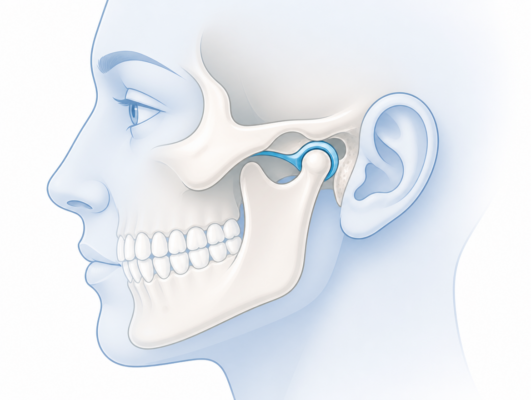
Talk to Dr. Argyle About TMJ Disorders in Syracuse, UT
If muscle tightness or posture is driving your TMJ disorder symptoms, physical therapy coordinated with Dr. Argyle’s care can help. Our office is at 780 S. 2000 W., Suite E-301 in Syracuse, UT 84075, serving patients from North Salt Lake through Davis, Weber, Box Elder and Cache Counties, as well as southern Idaho and southwest Wyoming. Call (801) 774-7520.
Frequently Asked Questions
Is there a home remedy for TMJ disorder pain?
Mild TMJ disorder discomfort often responds to simple self-care: a soft diet, warm compresses, avoiding wide yawns and hard chewing, and consciously relaxing the jaw throughout the day. These steps ease symptoms; they don’t address an underlying joint or muscle problem, so ongoing or worsening pain still needs an evaluation.
What are effective home remedies for TMJ disorder pain?
The most effective self-care combines rest (softer foods, smaller bites), warmth on tight jaw muscles, and avoiding habits that load the joint, like gum chewing, nail biting, or resting your chin on your hand. Reducing stress-related clenching, especially at night, often makes a noticeable difference as well.
When should I see a dentist about jaw pain instead of waiting?
See Dr. Argyle sooner rather than later if your jaw locks open or closed, pain is severe or getting worse, you have trouble opening your mouth normally, or self-care hasn’t helped after a couple of weeks. Those signs suggest the joint needs a closer look rather than more time.